
Meccha Chameleon Hiding Spots: Best Places, Patterns, and Camouflage Ideas
Find the best Meccha Chameleon hiding spots with practical advice for corners, noisy textures, object clusters, shadows, map reading, and camouflage mistakes to avoid.
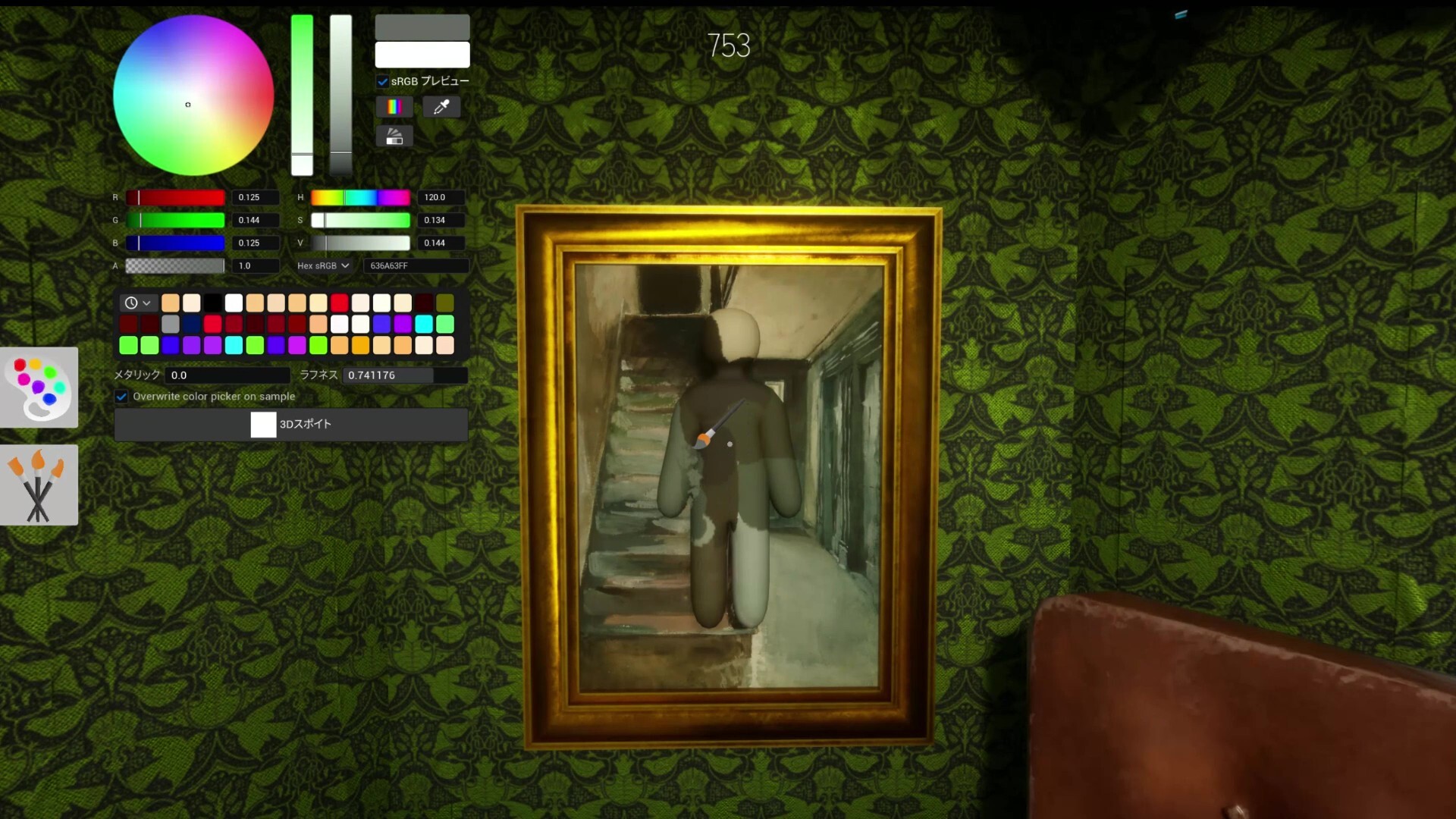
The best Meccha Chameleon hiding spots combine visual noise, broken body outlines, believable poses, and low seeker attention. Busy corners, object clusters, and textured surfaces usually beat clean empty walls.
Quick Hiding Spot Tier List
The safest Meccha Chameleon hiding spots are not simply dark corners. They are places where your painted body can become one more believable shape inside the stage.
- S tier: cluttered object clusters, patterned corners, and mixed-color walls
- A tier: shadows with nearby props, floor patterns, and uneven background details
- B tier: single-color walls with some texture or partial cover
- Risky: empty walls, open floors, and symmetrical areas where your outline looks unusual
Spot Types That Work
Because Meccha Chameleon is about mimicry, the strongest spots are not always the darkest spots. They are places where your body can become one more messy shape in an already messy scene.
- Patterned walls and floors
- Corners where two colors meet
- Object clusters with uneven outlines
- Shadowed areas with similar saturation
- Background details that already look irregular
Bad Spots To Avoid
Simple flat surfaces are tempting because they are easy to paint, but they leave your full outline exposed. If the room is visually clean, the seeker can scan it quickly and notice anything that does not belong.
- Large empty walls
- Bright floors with no texture
- Centered positions in open space
- Symmetrical locations where one side looks different
- Places where you must keep adjusting your pose
A Simple Hiding Formula
Find a noisy surface, put part of your body against a prop or edge, paint the largest color first, then freeze. If you can explain why your shape belongs in the room, seekers are more likely to skip it.
How to Test a Hiding Spot
A good hiding spot should survive a slow scan. Before committing, ask three questions: does my outline look like a person, does my paint match the largest visible color, and would a seeker naturally check this area early?
If the answer to the first or third question is bad, move before spending time on tiny paint details.
- Check whether your head and shoulders create a readable silhouette.
- Use props, corners, and color transitions to hide one side of your body.
- Avoid spots that require perfect paint on every edge.
- Remember which spots fool public players and which only work once against friends.
Where to Hide by Search Intent
When players search for Meccha Chameleon hiding spots, they often want exact map names. Until the community settles on stable map callouts, the safer evergreen answer is to classify spots by what seekers see first.
Use this list as a practical decision tree during live rounds: if the area has clutter, broken color, and a believable pose, it is worth testing. If the area is clean, centered, and easy to scan, leave it for a joke round.
- Best safe spot: a busy corner with nearby props and two matching colors.
- Best beginner spot: a textured wall or object cluster that hides shoulders.
- Best risky spot: a nearly obvious pose that looks like a sign, statue, or wall mark.
- Best late-round spot: an area seekers already checked and are unlikely to revisit carefully.
Hiding Spot Practice Routine
Practice one category at a time instead of trying every hiding idea in one night. Spend several rounds on corners, several rounds on object clusters, and several rounds on shadowed textures. You will learn which locations survive public seekers and which only work against new players.
Screenshot or remember the spots that fooled multiple seekers. Those become your personal map notes and can later expand into map-specific Meccha Chameleon hiding spot pages.
Meccha Chameleon Hiding Spots FAQ
What are the best hiding spots in Meccha Chameleon?
The best hiding spots are busy corners, object clusters, patterned walls, and shadowed areas that break your outline while giving you a color you can paint quickly.
Are corners good hiding spots?
Yes, especially if the corner breaks your outline and gives you two nearby colors to blend into.
Should I hide in dark areas?
Darkness helps only when your outline is also hidden. A dark body shape on a simple background is still suspicious.
What makes a hiding spot believable?
A believable spot has matching color, a natural-looking shape, and a reason for the seeker to ignore it.
Where should beginners hide first?
Beginners should start with object clusters, textured walls, and corners because those spots hide outline mistakes better than open floors.